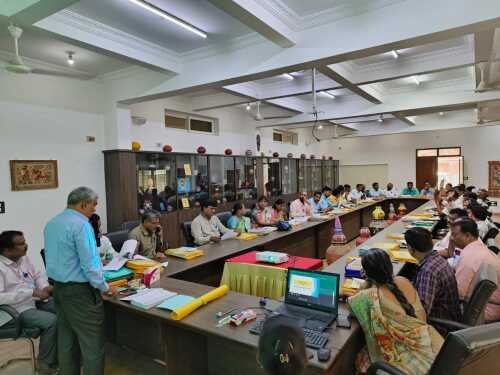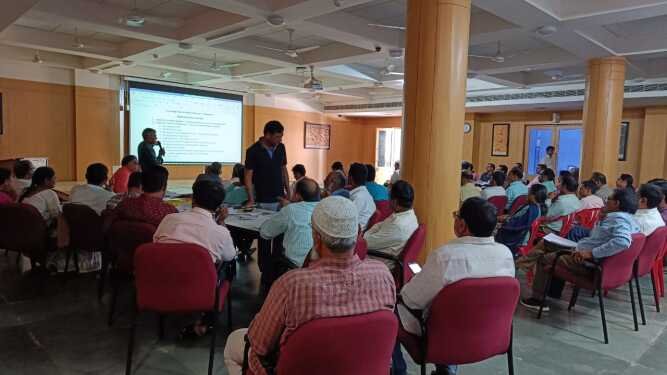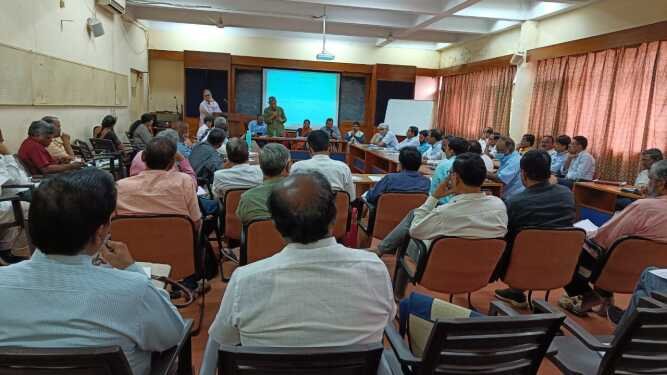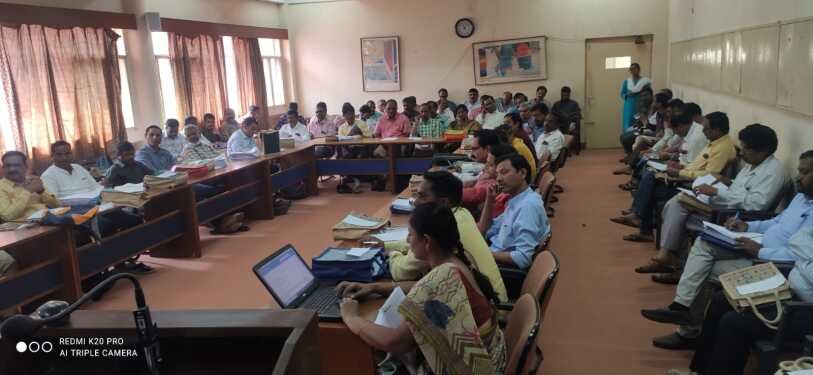
Implementation of Learning Improvement Programme in Telangana
Learning Improvement Programme (LIP) – Telangana
Bridging Learning Gaps, Building Futures
The Learning Improvement Programme (LIP) is a collaborative initiative of the Department of School Education, Government of Telangana, the Centre for Innovations in Public Systems (CIPS) at ASCI, and Save the Children.
It aims to strengthen learning outcomes among students of Grades VI to IX in Upper Primary and High Schools across all 33 districts of Telangana.
Partners: Government of Telangana, CIPS, Save the Children
Coverage: 33 Districts | Grades VI–IX | All Government & Local Body Schools
The Context
Despite steady progress in enrolment, several national and state-level assessments (ASER, NAS) have shown low and declining learning levels among students, particularly in reading, writing, and arithmetic.
The COVID-19 pandemic further widened this learning gap, leaving many children 2–3 years behind their grade-level competencies.
Recognizing this challenge, the Department of School Education initiated the Learning Improvement Programme (LIP) to ensure that every child achieves essential competencies and stays meaningfully engaged in learning.
Objectives
LIP focuses on improving learning quality, equity, and engagement through a holistic approach.
Its key objectives include:
● Achieve foundational literacy and numeracy for all students in Grades VI–IX.
● Strengthen subject-specific competencies in Mathematics, Science, and Social Studies.
● Enable class-appropriate learning outcomes in all core subjects — Telugu, English, Hindi, Mathematics, Science, and Social Studies.
● Transform classroom processes with active, child-centric, and collaborative learning.
● Promote holistic development through art, health, environment, and community activities.
● Encourage parent and community participation to support children’s learning beyond school hours.
LIP Strategies
To close learning gaps and improve student performance, LIP adopts a multi-layered strategy:
- Baseline Assessments – Conduct pre-tests to map students’ learning levels and track progress.
- Language Across Curriculum – Strengthen literacy as a foundation for all subjects.
- Pedagogical Innovation – Introduce activity-based and peer-learning models.
- Teacher Capacity Building – Develop training modules, handbooks, and workshops for teachers.
- Academic Leadership – Equip headmasters with tools for effective curriculum delivery.
- Community Engagement – Mobilize parents, Gram Panchayats, SMCs, and volunteers for after-school support.
- ICT-based Monitoring – Track teaching quality and student learning progress in real time.
Implementation Approach
LIP follows a structured rollout plan across Telangana:
- Rapid Survey: Assess the status of classroom teaching and learning.
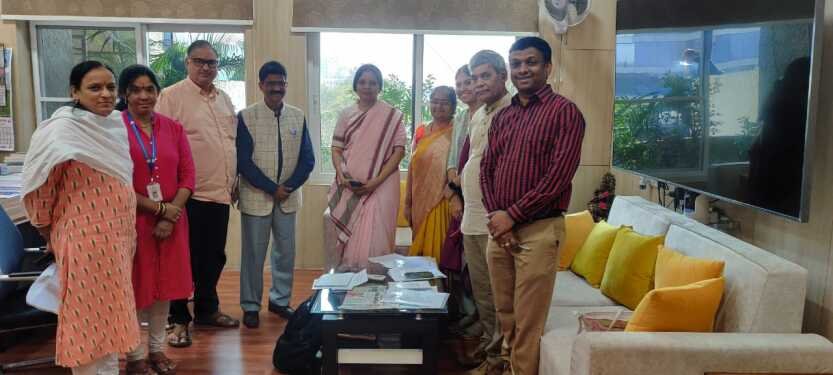
- Stakeholder Consultations: Engage education officers, SCERT, and Samagra Shiksha teams.
- Resource Development: Create teacher and headmaster handbooks, learning resources, and monitoring guidelines.
- Orientation and Training: Train State and District Resource Groups, teachers, and supervisory staff.
- Community Orientation: Build awareness among SMC members, parents, and volunteers.
- Monitoring & Review: Conduct field visits, online reviews, and regular performance assessments.
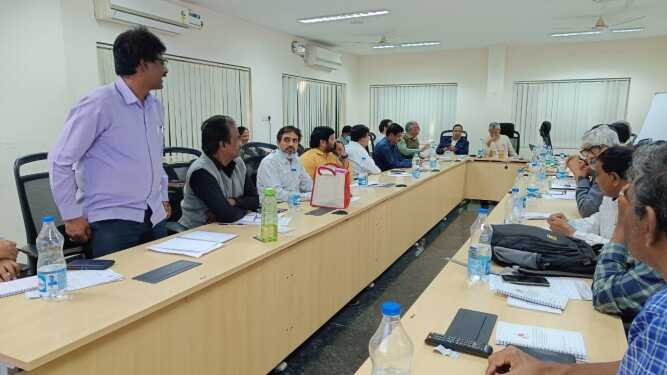
- Launch: The LIP was officially launched in all 33 districts under the leadership of the District Collectors and Education Officers.
Expected Outcomes
● Improved literacy and numeracy among Grades VI–IX students.
● Strengthened teacher capacities and classroom processes.
● Increased student engagement and retention.
● Stronger parent-school-community partnerships in education.
● Establishment of a sustainable framework for learning improvement in Telangana schools.
CIPS Role
CIPS acts as a technical partner, supporting the Department of School Education in:
● Designing program frameworks and strategies.
● Developing handbooks and monitoring tools.
● Conducting capacity-building and training sessions.
● Documenting and disseminating best practices across states.